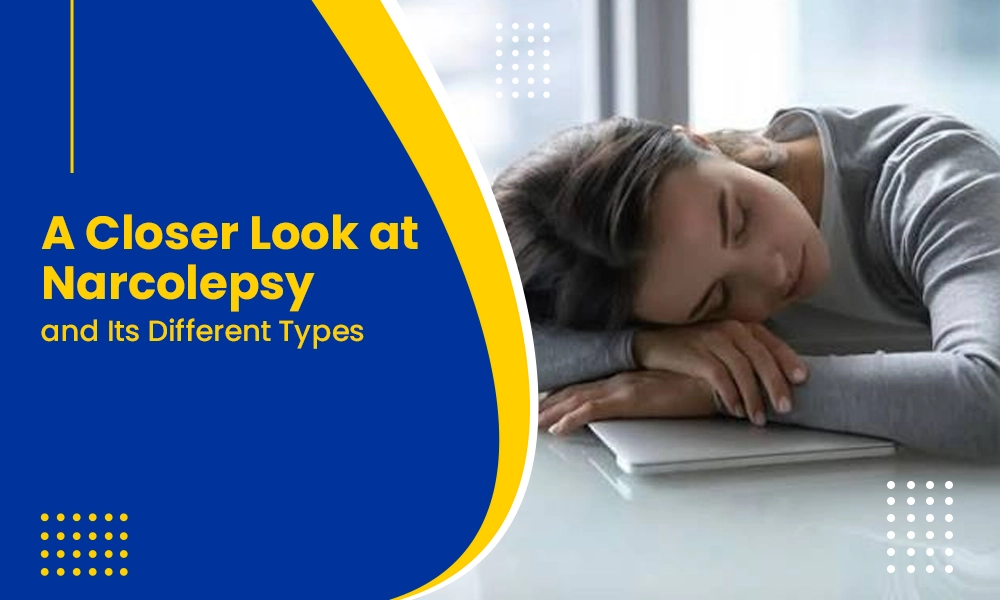
Just imagine feeling so overwhelmingly sleepy during the day that you fall asleep in mid-conversation, while driving, or at your desk with little to no warning. People who are living with narcolepsy are not having a rare, occasional struggle; it’s a daily reality. Narcolepsy is a relatively rare sleeping disorder. It is a lifelong condition that causes overwhelming daytime sleepiness and sudden sleep attacks during normal activities. It is a chronic brain disorder that leads to problems with sleeping and excessive sleepiness during the day. You may fall asleep suddenly with no warning.
It usually begins around the ages of 10 and 30 years, but can begin at any age. Men and women are affected equally by narcolepsy. Getting diagnosed proves challenging for many patients. Adults are often not properly diagnosed until an average of ten years later. This article discusses the nature of these disruptive sleep symptoms of narcolepsy, their symptoms, mechanisms, treatment options, and when to seek medical help.
Narcolepsy
Narcolepsy is a chronic neurological disorder affecting the brain’s ability to control sleep-wake cycles. People affected with Narcolepsy may wake up feeling refreshed, but then feel very sleepy for much of the day. They often experience disturbed sleep at night, so they are unable to stay asleep for long periods of time.
In a normal sleep cycle, people enter rapid eye movement (REM) sleep after about 60 to 90 minutes. REM sleep is the sleep stage during which people do the most dreaming. The brain keeps the person’s muscles limp during this sleep stage, which prevents them from acting out their dreams.
In people with Narcolepsy, the regulation of the sleep and waking cycle is disrupted (called fragmented sleep). Therefore, the boundaries between wakefulness and sleep are less distinct, and elements of sleep and wakefulness can mix. People with narcolepsy fall asleep much faster into REM sleep-sometimes within 15 minutes of falling asleep. They can also be awake and have muscle weakness or the dream activity of REM sleep. Narcolepsy can have a substantial impact on normal daily activities. Untreated, it can affect emotional health, social relationships and ability to think clearly, and can interfere with school, work and social life.
Types of narcolepsy
There are two main types that exist:
Type 1 Narcolepsy: This type of narcolepsy is characterized by cataplexy ( sudden muscle weakness ) and low levels of hypocretin, a chemical in the brain that regulates wakefulness. This type makes up 20% of Narcolepsy cases.
- Type 2 Narcolepsy: People with this type do not have cataplexy and have normal levels of hypocretin. It accounts for 80% of Narcolepsy cases.
Secondary Narcolepsy can be caused in rare instances by brain injury, tumors, or other conditions that affect the sleep-regulating areas of the brain.
Symptoms of Narcolepsy
Symptoms differ among individuals, and they can improve over time, but will never go away completely. Even when symptoms are severe, they do not result in permanent dysfunction. After episodes end, people rapidly recover the ability to move and speak.
The most typical symptoms are:
- Excessive daytime sleepiness (EDS): All individuals with narcolepsy have periods of EDS. It is often the most obvious symptom. Narcolepsy causes you to get sleepy during the day. The hallmark of EDS is excessive daytime sleepiness that is not improved by an adequate night’s sleep. The sleepiness of narcolepsy is often like a “sleep attack,” a sudden, overwhelming feeling of sleepiness.
- Cataplexy: This symptom involves sudden episodes of muscle weakness, usually triggered by strong emotional reactions such as laughter, fear, anger, stress or excitement. Cataplexy may occur weeks or even years after EDS begins. Some people may only have one or two attacks in a lifetime, while others may experience many attacks a day. In about 10% of cases of Narcolepsy, cataplexy is the first symptom to appear. Sometimes, it can be misdiagnosed as a seizure disorder. Attacks may be mild and involve only brief, minor weakness in a few muscles, such as a slight drooping of the eyelids. The most severe attacks result in a total body collapse during which individuals are unable to move, speak, or keep their eyes open. Even during the most severe episodes, people remain fully conscious, a characteristic that makes cataplexy different from fainting or seizure disorders. The person remains fully conscious during the episode, which usually lasts a few seconds to several minutes and resolves on its own, even if they are unable to speak. The episodes are frightening but not dangerous if the person is in a safe place.
- Sleep paralysis: This is a temporary inability to move or speak as you are falling asleep or waking up which usually lasts only a few seconds or minutes and is similar to the reductions of voluntary muscle activity caused by REM sleep. Sleep paralysis is like cataplexy, except it happens at the edges of sleep. Very vivid dreamlike and sometimes frightening visual, auditory, or tactile hallucinations can accompany sleep paralysis and usually occur when people are falling asleep or waking up.
- Fragmented nighttime sleep and insomnia: People with narcolepsy are often very sleepy during the day, but they often have trouble staying asleep at night. They might wake up multiple times each night for 10-20 minutes which can make them sleepier during the daytime. Sleep may be disturbed by insomnia, vivid dreaming, sleep apnea, acting out dreams and periodic leg movements.
- REM sleep behavior disorder (RBD): Typically, during dreaming, the body’s muscles are temporarily shut down. This prevents people from physically acting out their dreams. But people with RBD don’t experience this paralysis. This can cause them to punch, kick, shout or grab whilst asleep, disturbing their sleep and the sleep of those around them. RBD may be a problem itself or a symptom of another neurological condition such as narcolepsy.
What are the Causes of Narcolepsy?
Narcolepsy is when your brain stops making cells that produce a chemical called hypocretin/orexin. This chemical tells you if you are asleep or awake. The loss of these cells happens in a part of your brain called the hypothalamus. It regulates your sleep-wake cycle. Experts believe this loss happens because your immune system mistakenly attacks and destroys the cells that make hypocretin/orexin.
Secondary narcolepsy may be due to:
- Brain injury
- Trauma
- Tumor
- Stroke
- Brain inflammation
- Genetic or medical condition
Treatment for Narcolepsy
There’s no cure for narcolepsy. But treatment can help you control symptoms and improve how you live day to day. Your physician may suggest:
- Medications that make you more mentally alert, focused, and productive in general such as Modafil MD 100 mg. They can help you stay awake, improve nighttime sleep and reduce other symptoms such as cataplexy.
- Nap regularly, go to bed at the same time each night. Avoid caffeine before bedtime and other good sleep habits.
- You may be told not to drive or use heavy machinery when you are sleepy by your provider.
- Your physician may also prescribe Modacare Elite 250 mg. This is a high strength modafinil tablet and is designed to improve wakefulness, concentration and mental clarity. Reduces fatigue and helps you stay awake for longer work or study.
Lifestyle Changes
People with Narcolepsy should consider lifestyle changes in addition to medications to best manage symptoms. Here are a few suggestions:
- People can sleep better by establishing a regular sleep schedule and going to bed and waking up at the same time every day, even on the weekends.
- Avoid alcohol or caffeine for several hours before you go to bed.
- Don’t smoke, especially at night.
- Cognitive behavioral therapy (CBT) is a type of talk therapy that may also help people with narcolepsy sleep better, feel less sleepy during the day and improve their general health.
- Exercising for at least 20 minutes on most days at least four or five hours before bedtime can help improve sleep quality. Exercise has been shown to improve excessive daytime sleepiness in people with narcolepsy.
- Do something relaxing to help you get to sleep, such as a warm bath before bedtime. Make your bedroom cool and comfortable for sleeping.
Conclusion
Being aware of Narcolepsy is an important step in coping with your sleep patterns and day to day life. This condition of the brain can make life difficult but it can be managed with the right treatment and changes to your way of life. You should realise that being tired during the day or falling asleep is not a character weakness or laziness. These are real medical symptoms that need experts to help and treat them. Latest treatment approaches like medications along with planned sleep routines have changed the way many people with narcolepsy live. Recognising it and getting full care can make life a lot better. It can help people to pursue their career dreams, maintain healthy relationships and be present in their day to day lives.
Frequently Asked Questions
1. What is narcolepsy?
Narcolepsy is a neurological chronic sleep disorder in which the brain can’t properly regulate the sleep-wake cycle.
2. When do symptoms of narcolepsy begin to occur?
Symptoms of narcolepsy typically first occur between the ages of 10 and 30. All but one of these patients develop symptoms before turning 18, and some show signs as early as age 5. Children’s symptoms can look quite different from adults – they might seem hyperactive instead of sleepy.
3. Is Narcolepsy the same as just being tired?
No, normally tiredness improves with sleep. Narcolepsy sleepiness is sudden, overwhelming and naps don’t fully fix it. Narcolepsy may include cataplexy, sleep paralysis and REM issues that normal tiredness doesn’t.
4. Are Narcolepsy and fatigue the same?
Narcolepsy stands apart from general fatigue as a neurological disorder that affects how your brain controls sleep-wake cycles. With ordinary fatigue you feel better after you rest. With narcolepsy you have sudden attacks of sleep regardless of how much you sleep . Narcolepsy also has sleep paralysis, cataplexy and hallucinations related to sleep.
5. What is Cataplexy?
Cataplexy is a sudden, brief loss of muscle control or strength while you are awake. It is usually triggered by strong emotions, such as laughter, surprise or anger. It is a hallmark symptom of narcolepsy type 1 and during an attack people remain fully conscious.