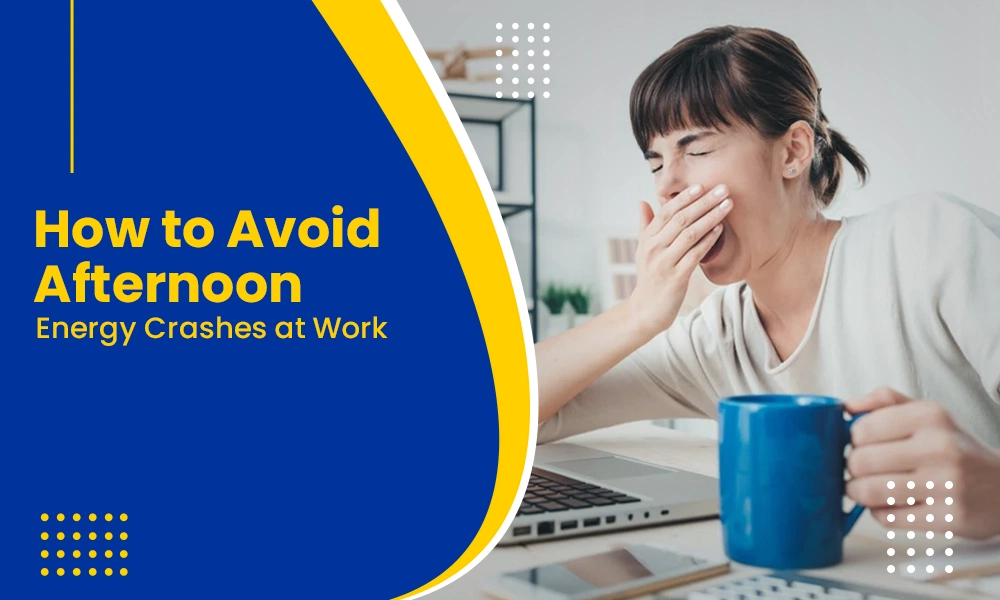
Sometimes, people face a familiar wave between 1 PM and 4 PM. During this time, people feel heaviness in their eyelids, have reduced focus levels, and experience brain fog when doing simple tasks. This is called the “afternoon slump.” This is one type of dip in energy that affects mainly office staff in Europe and other continents. This is a combination of a poor diet plan, biological aspects, and modern work habits that most people feel daily.
The Scale of the Problem in Europe
According to research commissioned by Pro Plus in the UK, more than a third of British workers say their daily drowsy feeling hits at 2:17 PM. This research identified the precise moment the slump sets in. The same study found that productivity is impacted for over a third of respondents; a quarter admit to making mistakes in this window, and 22% describe themselves as noticeably grumpier once the crash comes. The key reason was poor sleep. Around 40% said their sleep quality was poor, and 38% said they just didn’t get enough sleep.
This is backed by separate, larger-scale UK workplace research that revealed 71% of workers agree that the worst time of the day to be productive is in the late afternoon, with output plummeting off a cliff between 3 and 6 p.m. This is not a simple picture; it is the picture of the majority of British workers.
This pattern repeats across other countries on the continent. In Poland, the STADA Health Report found that 57% of Poles turn to sleep aids, and 47% say that instead of resting in the evening, they spend their downtime worrying about the next day’s problems. This is a cycle that directly feeds next-day fatigue and deepens the following afternoon’s slump.
On a broader scale, wider studies of the workforce suggest this is not just a European quirk but a near-universal one. Over 80% of employees report suffering from an energy crash in the afternoon, and ordinary people feel it 3.2 days out of every 5-day week. This figure is more than half of their working days. If that wasn’t enough, there’s the issue of widespread burnout. Recent data on the workforce shows that about 75% of employees experience burnout at least occasionally and a quarter of them often, both of which are known to make the daily slump worse.
Furthermore, the European data point to the fact that the afternoon crash is not simply an occasional inconvenience. It is a daily occurrence for the majority of the workforce and has real costs to focus, mood, and error rates.
Why The Crash/Energy Slump Occurs
a) Biological Clock
The human body is governed by an internal clock of approximately 24 hours. This causes two peak-sleepiness periods per day, one overnight and one in the early afternoon. At this point, core body temperature drops a little, and melatonin production ramps up a notch. Thus, this signal your brain interprets as “slow down,” no matter how well you slept the night before.
b) Fluctuations of Blood Sugar
A lunch high in carbohydrates can cause a rapid rise in blood glucose followed by a rapid fall. That crash directly sucks up energy and mental clarity. This is why the slump often feels worse after certain meals, such as pasta and bread-heavy lunches, which are common culprits.
c) Accumulated Mental Fatigue
Cognitive load builds steadily in the morning. By early afternoon, the brain’s actual capacity to sustain attention for long periods has been drained, not figuratively but in a neurologically measurable way.
Mitigation Strategies
a) Rethink About Your Lunch
Swap big, carb-heavy meals for options focused on protein, fibre, and healthy fats, such as grilled chicken with veggies instead of a big bowl of pasta. This flattens the blood sugar spike and crash cycle that makes the slump worse.
b) Drink Water All Day Long, Not Just After Meals
A slight dehydration can be shown to impair alertness and concentration. One of the easiest and most effective fixes? Keep a bottle of water at your desk and sip it consistently throughout the morning.
c) Take A Sunbath OR Stay In Sunlight
A short walk outside (even five to ten minutes) refreshes alertness more than a sugary snack. Natural light helps set the circadian rhythm that is causing the dip in the first place.
d) Break Up The Afternoon With Variety
Or if you’re doing solo, heads-down work, try switching to a team activity or a different type of task. It can restore your focus and energy, giving you a mental reboot that coffee alone can’t provide.
e) Protect Your Sleep
Because poor, insufficient sleep is the key reason for the slump. You should work on a sleep plan, such as consistent bedtimes, less screen time before bed, and managing pre-sleep worry. It pays off the next afternoon.
f) Rearrange and Do Your Room Airy
Stuffy rooms with poor ventilation cause fatigue. Getting out into the fresh air or opening a window can make a significant difference to the afternoon fog.
g) Use Short, Structured Breaks
People who say they feel more productive not because of eliminating the slump but because they work with their energy rhythms instead of against them. These are associated with habits such as blocking out time for specific tasks, checking email at set times, and using focus timers.
h) Reframe The Slump Itself
Rather than tackle the dip head-on, some experts suggest taking it as a natural cue for a reduced task such as admin, answering routine emails, or a walking meeting and reserving the sharpest focus work for the morning and early evening peaks instead.
The Contribution of Waklert 150 mg (Armodafinil)
Waklert 150 mg contains the active ingredient armodafinil. This is a prescription medication indicated for the treatment of excessive daytime sleepiness associated with narcolepsy, obstructive sleep apnea (when used as an adjunct to primary therapy), and shift work sleep disorder.
Usual Adult Dose for Narcolepsy or Obstructive Sleep Apnea or Shift Work Sleep Disorder: 150 mg orally once a day in the morning for narcolepsy or obstructive sleep apnea, or about 1 hour before work shift for shift work sleep disorder as directed by a physician.
The Bottom Line
The afternoon crash is almost certainly biological, not a personality flaw, and European data shows that it affects the vast majority of the workforce on an almost daily basis. The good news is that it can be dealt with through simple measures: Smarter lunches, proper hydration, strategic caffeine timing, movement, and better sleep habits. No one solution will eliminate the slump, but if you combine several of these strategies, you can noticeably shorten and soften it by turning a lost hour of the workday into a manageable dip.
Frequently Asked Questions
1. What time does the afternoon energy crash typically happen?
Most people get it between 1 PM and 4 PM. Various research finds that the most common time is around 2:17 PM, but this time varies because of people’s sleep patterns as well as lunch habits.
2. Does coffee actually help with the afternoon crash?
Yes, but in moderation and at the right time. Don’t have coffee first thing in the morning, but take a moderate quantity just before the slump hits. Many people find that having a little caffeine around 1:30-2 PM blunts the dip without messing up nighttime sleep, so long as it’s not too close to bedtime.
3. Can diet really make a noticeable difference?
Yes. If you do need a snack while feeling hungry or have a craving, you should choose protein-rich snacks or fiber-based snacks. These are yogurt, cheddar cheese-based foods, nuts, salad, coconut water, and sugarcane juice instead of sugary snacks and oily snacks.
4. Is the afternoon slump something employers should address or just individuals?
Both. Most employees and individual workers experience the slump/crash during the daytime. They need a better diet plan, to take a break between long workdays, and to allow for a flexible task schedule around dips in energy to see less of the productivity and mood impact the slump otherwise brings.
5. What is Waklert 150 mg (Armodafinil)?
Waklert 150 mg (Armodafinil) is a psychostimulant that promotes alertness, and it has been shown to improve attention, memory, and fatigue in healthy adults and adults with neurodevelopmental conditions that share symptoms with Attention Deficit Hyperactivity Disorder (ADHD). It is well tolerated and safe, and most of the adverse events reported are considered not serious.