
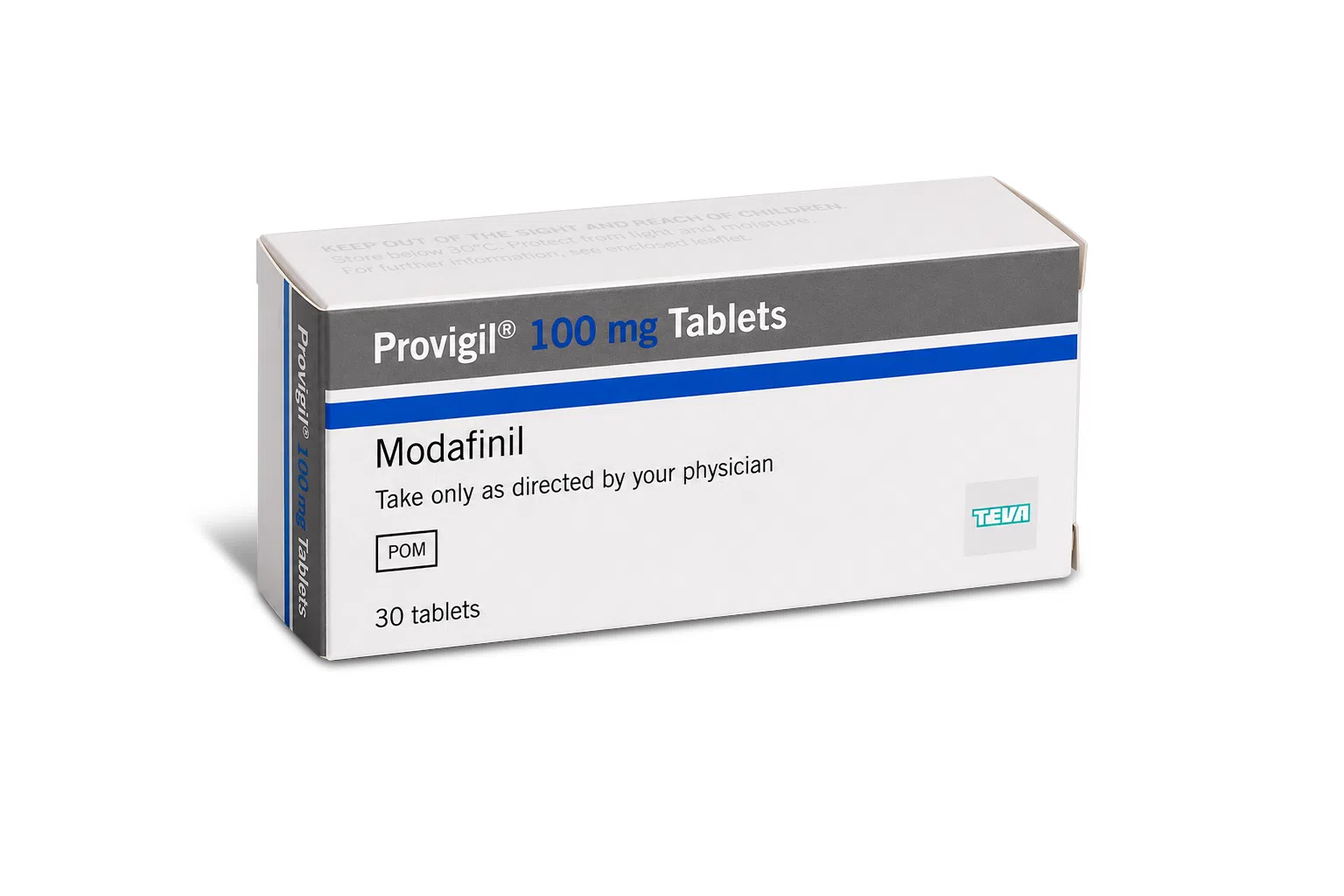

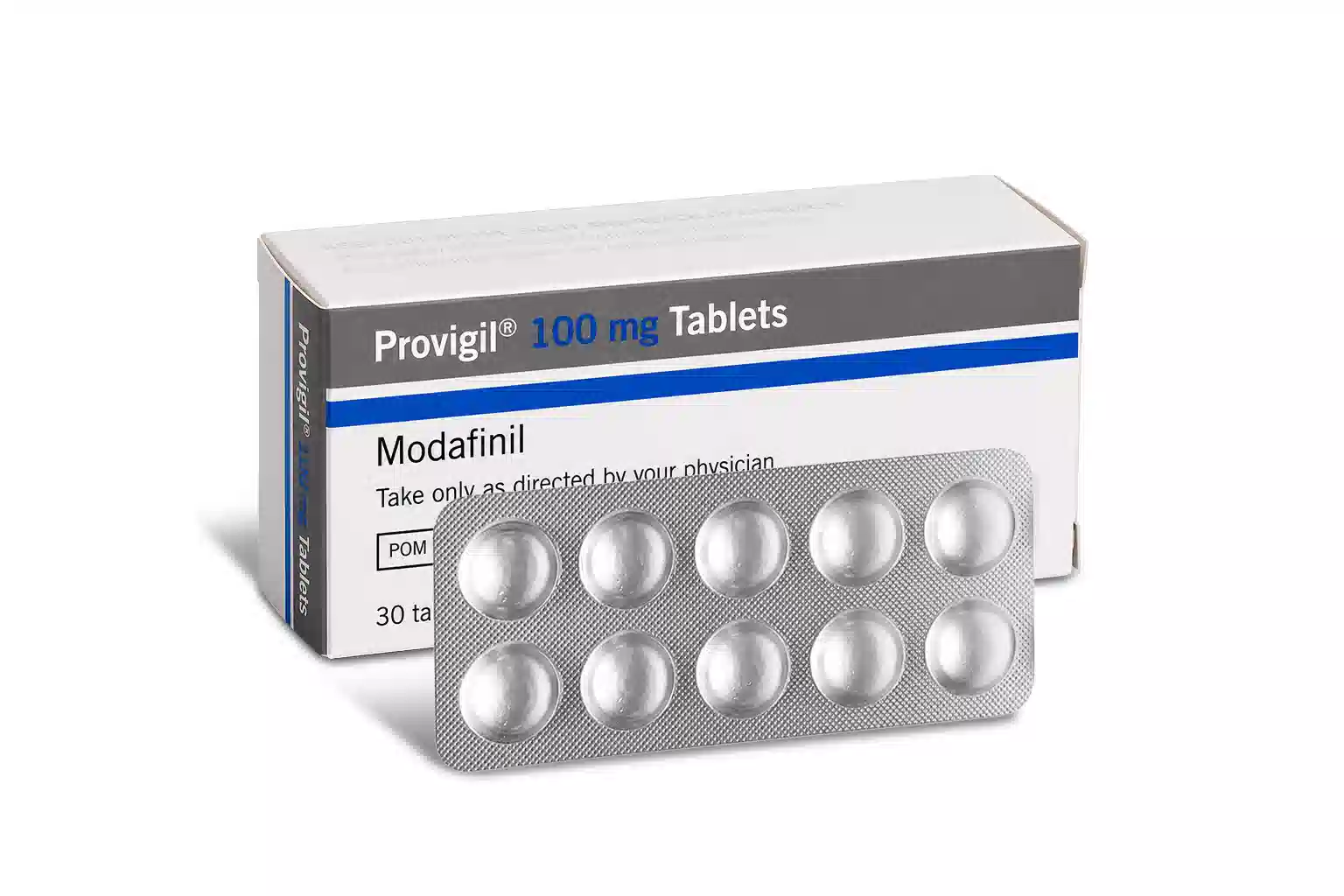
What is Provigil 100 mg?
Provigil 100 mg is an oral tablet containing modafinil. It promotes wakefulness and is used to treat excessive daytime sleepiness caused by narcolepsy, obstructive sleep apnea (OSA) or shift work sleep (SWS) disorder. Provigil does not treat the underlying disorder, it only makes people feel more awake. Provigil does not take the place of other treatments for narcolepsy or OSA. These should be continued while you are taking Provigil.
How does Provigil 100 mg work?
Modafinil works on the brain pathways that help to control alertness. While its full mechanism has not been established, it appears to influence chemical messengers such as dopamine, norepinephrine, histamine and orexin. These messengers help control attention, motivation and the body’s sleep wake pattern.
By supporting activity in these pathways, Provigil 100 mg may reduce the tendency to fall asleep during the day. It does not cure the underlying sleep disorder and people with obstructive sleep apnea should continue treatments such as CPAP if they have been prescribed.
Key Features
| About (Provigil 100 mg) | |
| Drug class: Central nervous system stimulant | |
| Subclass: Eugeroic (Wake-promoting agent) |
| Product details | |
| Dosage Form | Tablet |
| Route of administration | Oral |
| Packaging | Blister |
| Pack size | 10*3 |
| Strength | 100 mg |
| Used for | Promote wakefulness and reduce excessive daytime sleepiness. |
| Onset of action | 30 to 60 minutes |
| Duration of action | 12 to 15 hours. |
| Manufacturer | Teva |
| Shelf life | 24-36 months after the date of manufacturing |
| Storage Instructions | Store at room temperature, ideally between 68°F to 77°F (20°C to 25°C). |
Composition
Active ingredient: Modafinil
Inactive ingredients: Croscarmellose sodium, Povidone, Magnesium stearate, Pregelatinized starch, Lactose Monohydrate and Microcrystalline cellulose
What is it used for?
Provigil 100 mg may be recommended for excessive daytime sleepiness associated with:
- Narcolepsy is a condition that can cause sudden sleep episodes and difficulty maintaining wakefulness
- Obstructive sleep apnea where sleepiness continues despite treatment for interrupted breathing during sleep
- Shift work sleep disorder especially when work schedules interfere with the body’s usual sleep routine
For sleepiness linked with obstructive sleep apnea, Provigil 100 mg does not treat airway obstruction. It is usually considered alongside ongoing therapies aimed at managing the breathing disorder.
Dosage
- Use Provigil 100 mg exactly as directed by your physician. The dose frequency and timing depend on the reason for treatment, your health history and your response to the medicine.
- Some adults may be advised to take 100 mg once daily, while others may require a different regimen. It is commonly taken in the morning for narcolepsy or obstructive sleep apnea-related daytime sleepiness. For shift work sleep disorder a physician may recommend taking it about one hour before the work shift.
- Swallow the tablet with water with or without food. Meals may delay how soon it starts working. Avoid taking Provigil 100 mg close to bedtime unless your prescriber has advised otherwise as it may disturb sleep. Never take more than the recommended dose.
Side effects
Provigil 100 mg is generally well tolerated when used as prescribed but side effects can occur. Inform your physician if symptoms persist, worsen or interfere with everyday activities.
Possible side effects include:
- Nausea, diarrhoea or indigestion
- Headache
- Dry mouth
- Anxiety, agitation or irritability
- Reduced appetite
- Fast heartbeat, palpitations or raised blood pressure
- Dizziness
- Insomnia
Seek urgent medical help and stop taking the medicine if you notice a widespread rash, blistering, peeling skin, mouth ulcer, swelling of the lips or face, breathing problems, chest discomfort or unusual changes in mood and behavior. Serious allergic and skin reactions are rare but require immediate medical evaluation.
Interactions
Modafinil can alter the breakdown of some medicines in the liver. Before starting Provigil 100 mg, tell your healthcare professional about all medicines, supplements and herbal products you use.
Relevant interactions include:
- Hormonal birth control, including pills, patches, vaginal rings, implants, injections and some emergency contraception. Modafinil can reduce effectiveness. Use an additional reliable non-hormonal method during treatment and for one month after the last dose.
- Warfarin and other anticoagulants. Blood-clotting tests may need closer monitoring.
- Antidepressants, antipsychotics, benzodiazepines and seizure medicines. The dose of either medicine may need adjustment.
- Ciclosporin, modafinil may reduce ciclosporin levels.
- Certain antifungal medicines, antibiotics and HIV medicines, which can alter modafinil exposure.
Avoid alcohol unless your physician has confirmed it is suitable. Combining alcohol with Provigil 100 mg may impair judgement and make side effects such as dizziness or anxiety more likely.
Precautions & warnings
- Tell your physician before taking Provigil 100 mg if you have high blood pressure, heart disease, an irregular heartbeat, previous chest pain, liver disease, kidney impairment or a history of mental health concerns.
- Modafinil may occasionally cause depression, severe anxiety, agitation, hallucinations, mania, or suicidal thoughts. Contact a healthcare professional promptly if you or someone close to you notices significant changes in mood, thinking or behavior.
- This medicine may affect coordination, vision and judgment especially when first started. Do not drive, operate machinery or carry out hazardous activities until you know that this medicine does not affect your ability to do so safely.
- People with a history of substance misuse should use modafinil cautiously. Discuss pregnancy, plans to conceive, breastfeeding and contraception with a physician before treatment as modafinil may not be appropriate in these situations.
Conclusion
Provigil 100 mg contains modafinil a wakefulness-promoting medicine used for excessive daytime sleepiness related to certain sleep disorders. When prescribed appropriately it may help support alertness during the day or before a work shift. It should always be used according to medical advice and alongside any treatment needed for the underlying cause of sleepiness.
FAQs
1. How quickly does Provigil 100 mg start working?
The medicine may begin to take effect within about 30 to 60 minutes. Food, individual metabolism and the reason for treatment can affect the timing.
2. How long do the Provigil 100 mg effects last?
The wakefulness promoting effects may continue for roughly 12 to 15 hours.
3. Can Provigil 100 mg be used to study or stay awake after poor sleep?
It should not be used for study enhancement, or routine tiredness without medical advice. Ongoing sleepiness should be assessed to identify its cause.
4. Is Provigil 100 mg used for insomnia?
No. Provigil 100 mg is used to support wakefulness, and is not a treatment for insomnia.
5. Can Provigil 100 mg be taken every day?
In some conditions it may be advised for daily use. Follow the schedule your physician has given you. Do not change the dose on your own.
Reviews
There are no reviews yet.